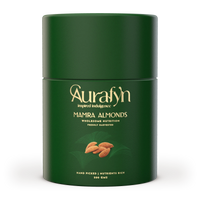
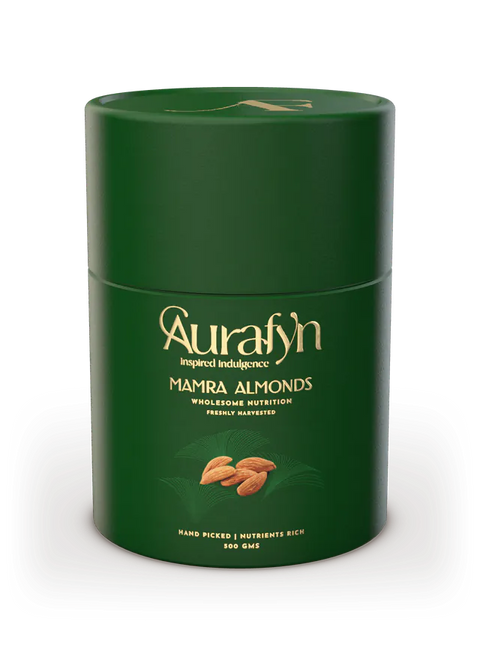
Mamra Almonds from Iran's Fars region
Hand-sorted in Iran's Fars orchards — never bleached, never polished.
Small, stubby, and dense with natural oils — Mamra is the almond Indian households have always called badam first. Ours is grown in Iran's Fars region and hand-sorted piece by piece, for people who want the almond, not the polish.
How to buy well
Mamra vs. regular almonds
Oil content, density and crunch — what actually separates a heritage almond from a commodity one.
Tubes, not pouches
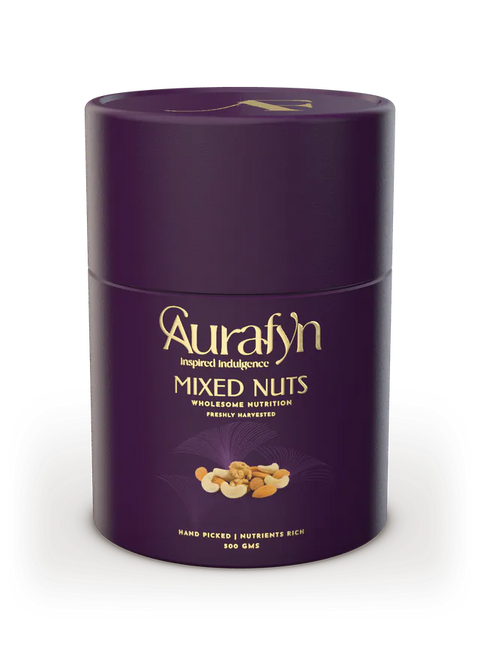
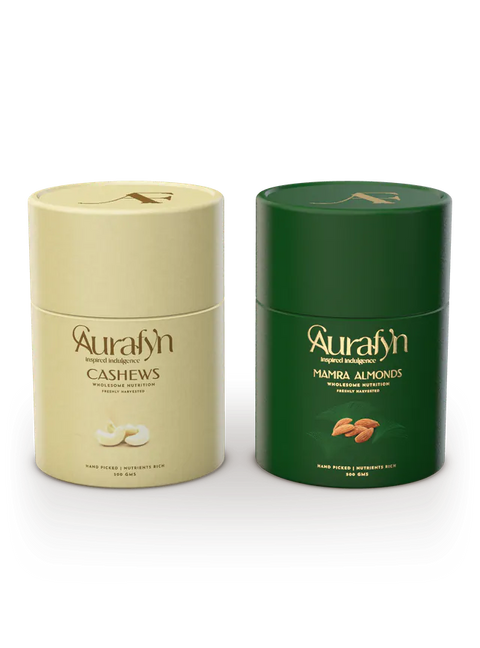
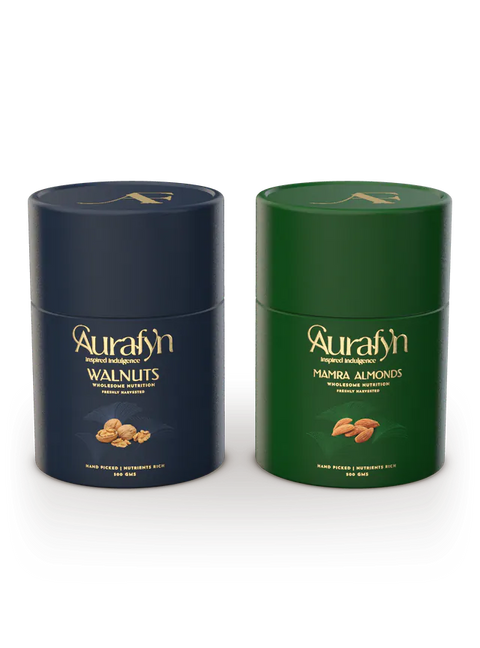
Airtight paper tubes keep natural oils from oxidising, so every handful stays fresh.
Are Mamra almonds better than California almonds?
They're different almonds grown for different reasons. California almonds are farmed at scale for uniformity; Mamra is a smaller, slower crop with a denser, noticeably oil-richer kernel. For eating whole, most connoisseurs pick Mamra; for baking, California does fine.
Why are Mamra almonds so expensive?
Low yield and hand work. Mamra trees produce far less per acre than mechanised California orchards, and every kernel is sorted by hand. You're paying for scarcity and selection, not a label.
How do I identify real Mamra?
Real Mamra kernels are small and stubby with visible oil density, not long and flat. Uniform, pale, identical kernels at a low price are usually regular almonds sold under the Mamra name.
How should I store almonds?
Airtight, away from heat and light. In Indian summers, refrigerate them — natural oils stay fresher cold.
Wishlist
Wishlist is empty.
Wishlist
Compare
Your cart is empty.
Return to shop